Smoke and carbon monoxide (CO) alarms are one of the most important — and most overlooked — safety devices in any home, and it’s worth checking that yours are current and correctly placed.
Why This Matters More With Age
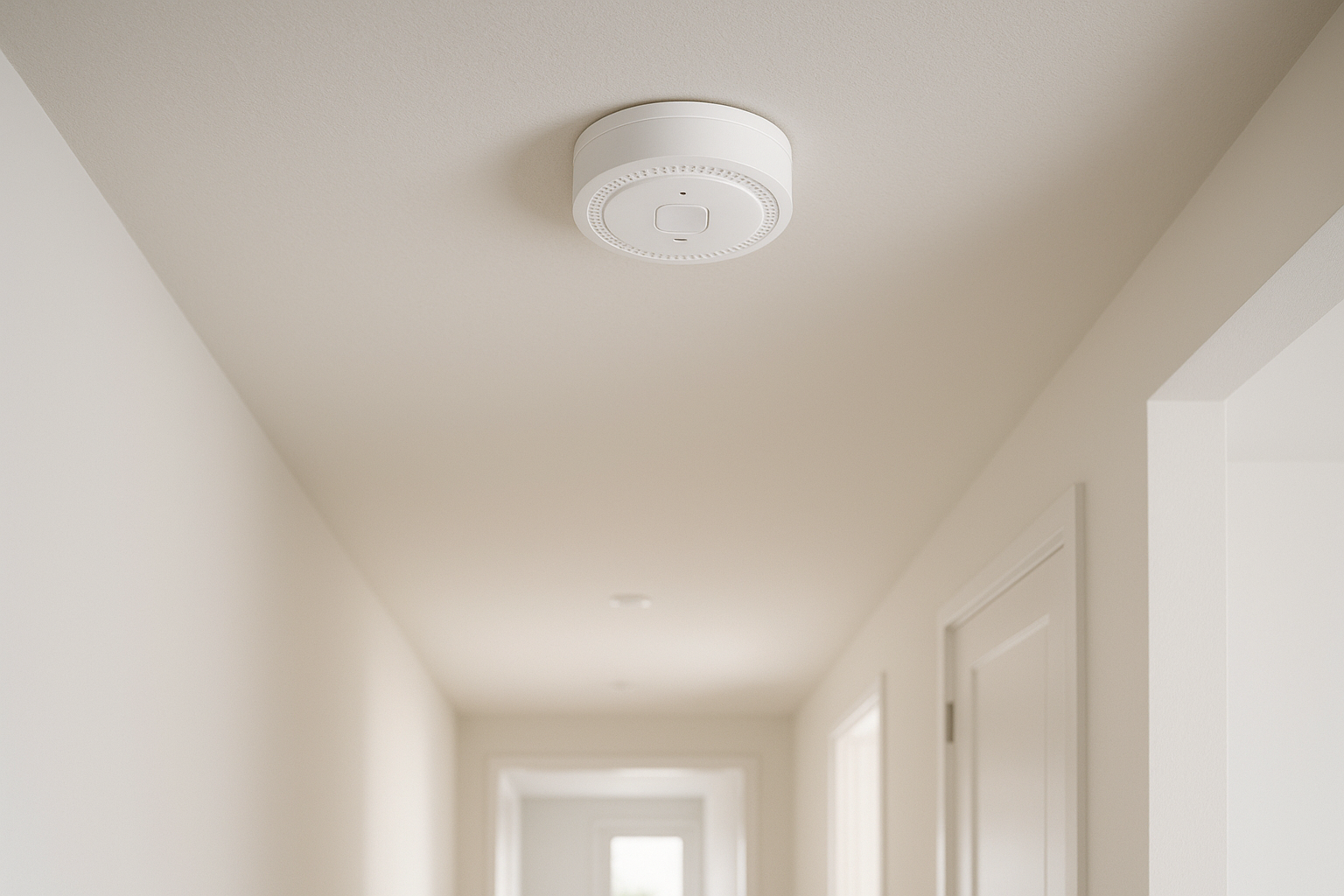
Carbon monoxide is invisible and odorless, and smoke inhalation risk increases if mobility makes it harder to exit quickly. According to the National Fire Protection Association (NFPA), CO alarms should be installed outside each sleeping area and on every level of the home.
Combination Alarms Simplify Maintenance
A combination smoke and CO alarm covers both hazards in a single device, which means fewer units to test and maintain compared to separate detectors.
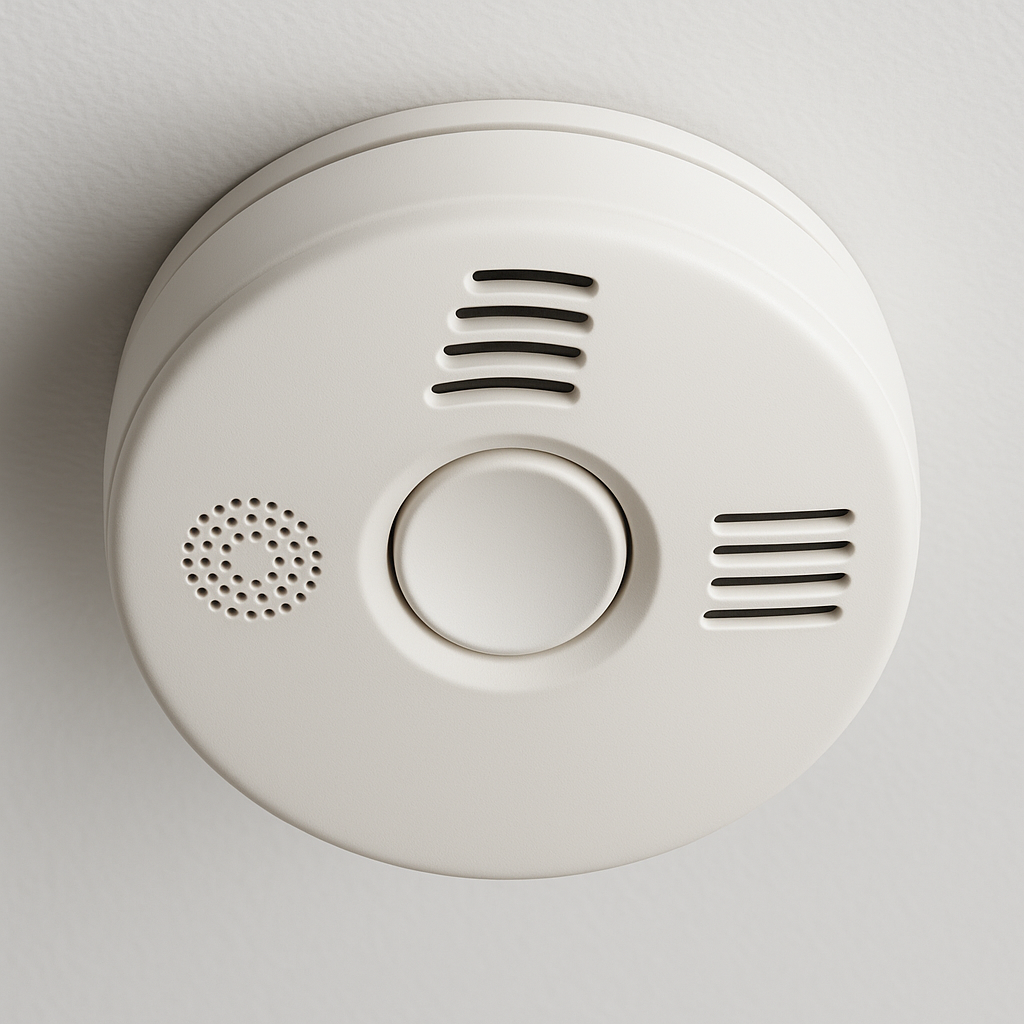
First Alert Combination Smoke & Carbon Monoxide Alarm — battery-operated, no wiring, UL-listed, with a test/silence button.
As an Amazon Associate, Aging Safely Home earns from qualifying purchases.
Where to Place Alarms
- Outside each separate sleeping area, in the immediate vicinity of bedrooms.
- On every level of the home, including basements.
- Inside each bedroom if anyone sleeps with the door closed.
Maintenance Checklist
- Test alarms monthly using the test button.
- Replace batteries at least once a year, or immediately if the low-battery chirp starts.
- Replace the entire unit according to the manufacturer’s guidance — most smoke alarms should be replaced every 8–10 years, even if they still seem to work.
Next Steps
Pair working alarms with a simple emergency plan — see our full Home Safety Checklist for the rest of the picture.
Deja una respuesta