A power outage is inconvenient for most households, but for someone living alone — especially anyone relying on medical devices or mobility aids — it needs a bit more planning.
Lighting That Doesn’t Depend on Fumbling for a Flashlight
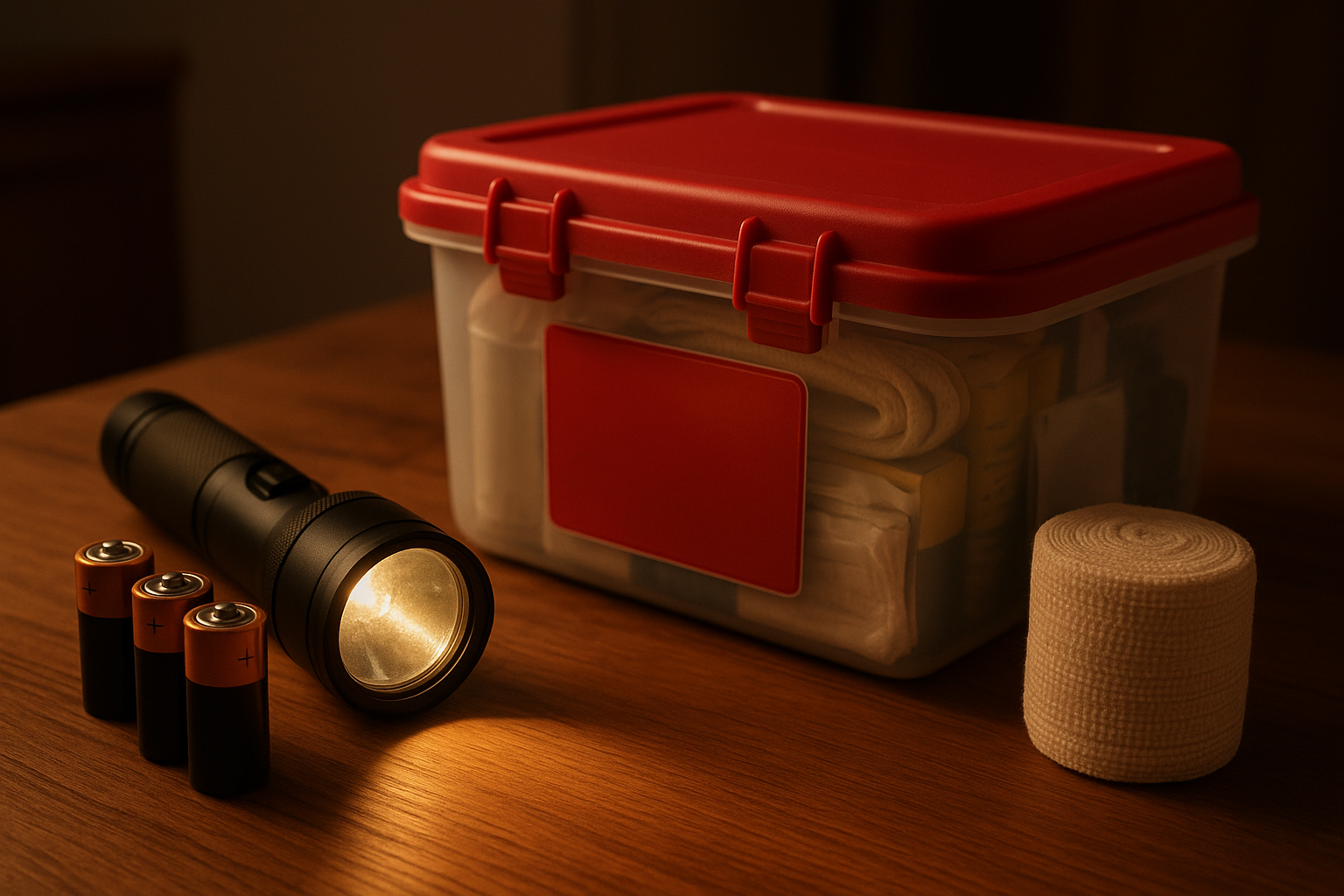
Battery or rechargeable motion-sensor lights (see our lighting guide) often keep working during an outage since they don’t rely on the home’s electrical circuit. Keep at least one flashlight with fresh batteries in an easy-to-remember spot, like a kitchen drawer or nightstand.
Medical Devices and Refrigerated Medication
If any medical device depends on electricity (like an oxygen concentrator or a CPAP machine), talk to the equipment provider in advance about backup power options. For refrigerated medications, know how long they can safely stay at room temperature and have a cooler with ice packs ready.
Staying Warm or Cool Safely
Older adults are more vulnerable to temperature extremes. Have extra blankets accessible for cold-weather outages, and a plan for a cool location (a family member’s home, a cooling center) during a hot-weather outage rather than staying in an un-air-conditioned home for an extended period.
Communication
Keep a portable phone charger (charged in advance) or a battery-powered radio on hand, and make sure at least one family member or neighbor knows to check in during extended outages.
Build a Simple Outage Kit
- Flashlight with extra batteries
- Portable phone charger, charged
- A few days of water and non-perishable food
- A list of emergency contacts written on paper, not just saved in a phone
Next Steps
This kit pairs well with the broader emergency preparedness steps in our Home Safety Checklist.
Deja una respuesta